22nd January 2019
When you share a tin can with 1,800 people for any length of time, you’re bound to encounter some interesting characters. Previous cruises have shown us that the human form can reach truly eye-watering proportions in both size and shape, undoubtedly exacerbated by the constant availability of food. However, in Columbus, such individuals are remarkably scarce. This may be due to the relative absence of North Americans on board, which could also explain the welcome lack of whooping and inappropriate applause during showtime.
That said, the one couple who could most benefit from a crash diet of biblical proportions are, in fact, British. Hailing from the West Country, they possess the down-to-earth and amiable nature so characteristic of that part of the UK, and because of it, though their progress around the ship is laboured and they mostly remain static, they seem to make friends very easily.
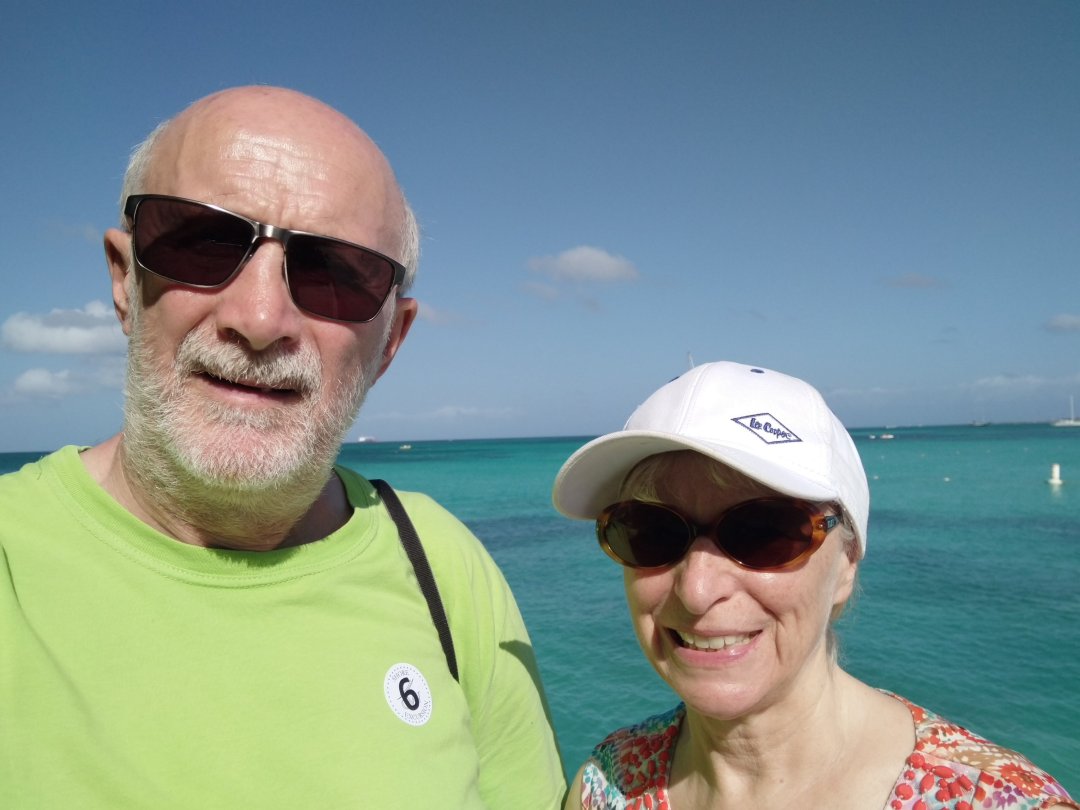
The real fascination lies in the stories behind our fellow passengers’ reasons for embarking on this voyage aboard our medium-sized cruiser of unadulterated luxury. Sue has an uncanny knack for drawing out extraordinary tales from our shipmates, usually while I’m off engaged in some other activity.
A few days ago, she found herself in conversation with a Scottish couple who were bitterly complaining about their circumstances. Despite having a stateroom that included a lounge, bedroom, dressing room, toilet and bathroom, a large balcony, and even a personal cabin boy, they were far from satisfied. Champagne in their room and having their clothing washed on demand simply weren’t enough for the £55,000 they had paid. Though this was a world cruise, they had resolved to express their displeasure by disembarking in Australia and flying home. The tale was recounted to Sue over lunch in one of the dining rooms, where their main grievance seemed to be the indignity of having to dine in the same restaurants as the other passengers. Unfortunately, by the time I joined Sue, they had already left. I rather think they might have benefited from my perspective on the matter.
Another intriguing tale came as we departed port in Aruba. This time, the storyteller was an American who had moved to Perth, Scotland, after marrying a Scots lass 17 years ago. He was travelling alone, having left his wife behind; apparently, she hadn’t fancied being away from home for 120 days. What??? He had just spoken to her on the phone, disrupting her beans-on-toast lunch. He explained that she was younger than him at 64, while he was in his 70s. Sue, also 64, sympathised, remarking that she understood not wanting to cook just for one. His response? That his wife was an old 64, set in her ways, whereas Sue, clearly, was not. Perhaps wisely, he changed the subject and mentioned that he had booked excursions in every port, with two of them alone costing around £1,500. Is his wife mad to let him go alone, or is there more to this story than meets the eye?
We arrived in Oranjestad, the capital and main port of the Dutch island of Aruba, during breakfast. From the ship, the most striking feature inland was a volcanic-shaped hill, though we later learned that, despite its appearance, it isn’t actually a volcano. Another glorious Caribbean day greeted us, hot, but not as sweltering as Barbados, thanks to a gentle breeze that kept the temperature just below 30°C.
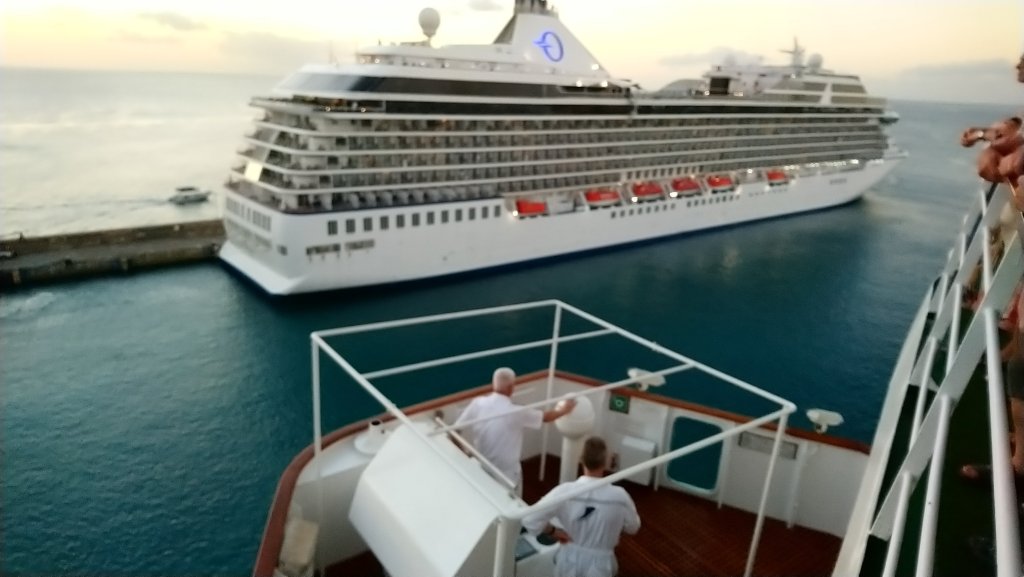
We had booked an excursion on the island called Sea and See, and, after disembarking and being duly ‘stickered up,’ we left the port by air-conditioned coach at 8:45 am. Our guide for the day was an Abba fan named Fernando, yes, inevitably, that song played over the sound system.
Travelling along the coastal road, we passed numerous vast, modern hotel complexes before reaching the outskirts, where we caught a glimpse of how the locals lived. We were informed that property prices on the island range from as little as $30,000 to $500,000 for a more luxurious beachfront home. The local currency is the Florin.
What stands out most about the landscape isn’t the pristine white sandy beaches, referred to locally as ‘sugar sand’, but the towering cacti that dominate every scrap of undeveloped or unfarmed land. The scenery could easily serve as the backdrop for a Hollywood western; it’s not hard to imagine the Lone Ranger and Tonto galloping over the hills.
Venezuela’s coastline is visible from Aruba, but there seems to be little love lost between the two nations. Beyond tourism (which is largely American), one of the island’s main industries is the Aloe Vera plant. However, a key economic player is the Venezuelan oil refinery, which, we were told, has failed to pay its dues to the island government for several years. There’s also evident resentment towards Dutch rule; at one point, the island’s president even went on a hunger strike in protest against a particular imposition. The Dutch government remained unimpressed, and he eventually abandoned his efforts when it became clear he would have to die to make his point.
Our first stop was the island’s only lighthouse, built after the SS California foundered on nearby rocks, resulting in the loss of several lives. It is now aptly named the California Lighthouse. For $5, visitors had the option to climb to the top, but with only a 15-minute stop, no one took up the offer. The views from the base were spectacular enough, or so we assumed!


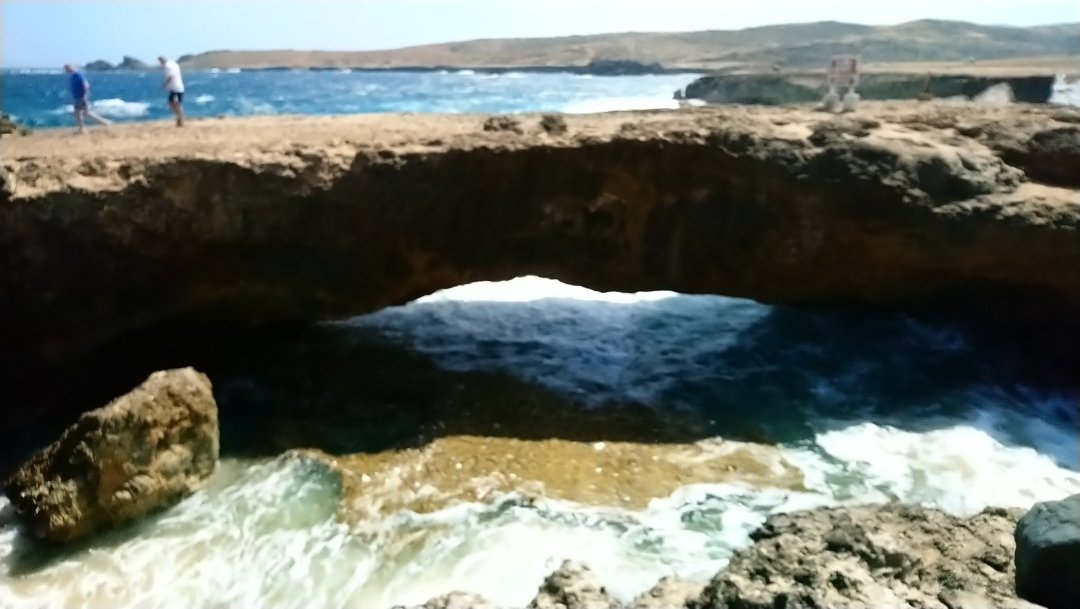
After our underwater adventure, we continued down the coast to the Baby Bridge. As erosion features go, it isn’t particularly impressive and warrants little more than a brief stop. However, it is the best they have since its larger counterpart collapsed overnight a few years ago, much to the dismay of the nearby restaurant and gift shop. Fortunately, this smaller replica appears to be holding up for now.

 Palmer Family
Leave a comment